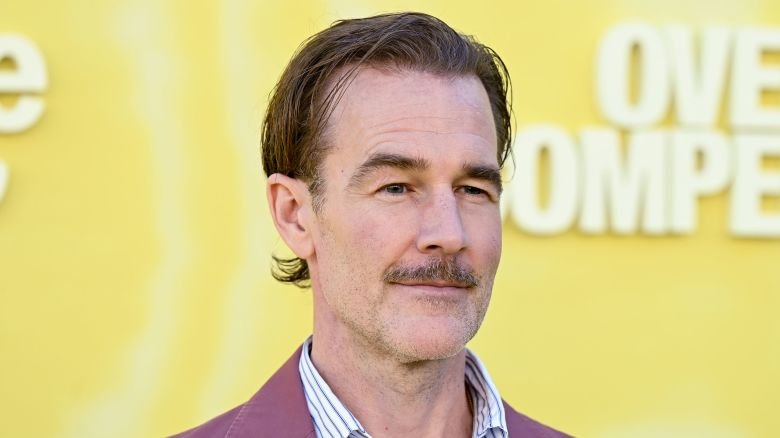
Picture this: It’s Paris Fashion Week, the air buzzing with anticipation as models strut down the runway in outfits that scream innovation and luxury. I remember my first time there, squeezed into a crowded venue, when suddenly a murmur ripples through the room. In walks a Hollywood A-lister, flashing a smile that lights up the front row. Within minutes, social media explodes—hashtags trending, fans sharing clips, and the brand’s visibility skyrocketing. That moment wasn’t just glamour; it was a calculated move, blending star power with strategic marketing to create buzz worth millions. This is the essence of celebrity marketing at fashion week—a blend of art, psychology, and hard data that turns fleeting appearances into lasting brand loyalty. In this article, we’ll dive deep into how brands harness celebrities to dominate the fashion scene, backed by real examples, metrics, and insights that reveal the “science” behind the sparkle. Whether you’re a brand manager eyeing your next ambassador or a fashion enthusiast curious about the behind-the-scenes magic, stick around. We’ll explore the why, how, and what-ifs, with a dash of humor about those over-the-top outfits that only celebs can pull off.
Understanding Celebrity Marketing
Celebrity marketing isn’t just about slapping a famous face on a billboard; at fashion week, it’s a high-stakes game where brands curate front-row seats like they’re casting a blockbuster movie. It leverages stars’ influence to amplify visibility, often measured in earned media value (EMV), which quantifies the free publicity generated from their presence. Think of it as the fashion world’s version of viral science—mix the right celebrity with the perfect outfit, and watch the engagement explode.
Definition and Evolution
Over the years, celebrity marketing has evolved from simple endorsements to immersive partnerships, thanks to social media’s rise. What started as red-carpet nods in the ’90s has become data-driven strategies, with brands analyzing follower counts and engagement rates before invitations go out. Today, it’s about authenticity, where a celeb’s genuine vibe aligns with the brand’s story, turning passive viewers into active buyers.
Key Players Involved
Brands like Dior and Louis Vuitton lead the pack, scouting talents from Hollywood to K-pop for maximum global reach. Agencies like CAA play matchmaker, connecting stars with labels, while analytics firms like Lefty crunch numbers on EMV to justify the hefty investments. It’s a team effort, blending creativity with cold, hard metrics.
The Psychology Behind It All
Ever wonder why seeing your favorite celeb in a designer gown makes you crave it too? It’s rooted in psychology—celebrities tap into our desires for status and belonging, making brands feel aspirational yet attainable. This “science” involves brain tricks like association and emulation, where fans mimic stars to feel closer to that glamorous life. With fashion week’s live energy, these effects amplify, creating emotional bonds that drive sales long after the shows end.
The Halo Effect
The halo effect is that magical glow where a celebrity’s positive traits rub off on the brand, making it seem more desirable. For instance, when a star like Taylor Swift wears a label, fans perceive it as cool and trustworthy, boosting perceptions overnight. It’s like borrowing charisma—simple, effective, and backed by studies showing increased brand recall.
Social Proof and FOMO
Social proof kicks in when we see crowds (or likes) validating a choice, while FOMO—fear of missing out—pushes us to act fast on trends. At fashion week, a celeb’s Instagram post can spark a frenzy, proving that humans are wired to follow the herd, especially when it’s led by icons. It’s humorous how one tweet can empty shelves, but it’s pure psychology at work.
Emotional Connections
Celebrities forge emotional ties, turning brands into extensions of personal stories. Remember when fans rushed to buy what their idols wore? It’s that relatability—stars sharing “behind-the-scenes” moments—that builds trust, making marketing feel less like selling and more like sharing a secret.
Data-Driven Insights
Numbers don’t lie: Celebrities generated 57% of top brands’ visibility in 2023, up from 41% the year before, per Lefty data. This surge highlights how fashion week turns star sightings into measurable ROI, with EMV calculating buzz in dollars. Brands now use AI tools to predict impacts, blending gut instinct with analytics for smarter partnerships.
Measuring Earned Media Value (EMV)
EMV quantifies free exposure from celeb appearances, factoring in social reaches and engagements. For example, a single post can rack up millions, as seen with K-pop stars at Paris shows. It’s the yardstick proving that front-row seats aren’t just perks—they’re investments yielding tangible returns.
ROI Calculations
ROI in celebrity marketing weighs costs like travel and contracts against sales spikes and brand lifts. Studies show endorsements can boost revenue by 20-30%, but it’s about long-term loyalty too. Tools like Google Analytics help track web traffic surges post-event, turning abstract buzz into concrete profits.
Trends in 2026 Data
By 2026, EMV from Asian celebrities has soared, with Thai and K-pop stars dominating rankings. Data shows organic impacts trumping paid ones, emphasizing authenticity over follower counts. Brands are shifting to micro-celebs for niche appeal, predicting a more diverse, data-savvy future.
| Brand | Celebrity | Event | EMV Generated (USD) | Key Impact |
|---|---|---|---|---|
| Dior | Apo Nattawin | Paris Fashion Week FW26 | 5.73M | 8.5% engagement rate, organic buzz |
| Celine | BTS V | Paris Fashion Week | 13.1M | Top musician, global media exposure |
| Louis Vuitton | Pharrell Williams | Menswear Show | Estimated 10M+ | Cultural relevance boost |
| Ralph Lauren | Taylor Swift & Travis Kelce | Engagement News | 6.8M | 48-hour surge in visibility |
| Mugler | Various Stars | Paris Show | Varied | High social amplification |
Case Studies of Success
Real-world wins show how celebs can make or break a season. From surprise appearances to long-term ambassadorships, these stories illustrate the science in action, with metrics proving the payout. Let’s break down a few standouts that turned heads and filled coffers.
BTS V for Celine
When BTS’s V attended Celine’s Paris show, he generated $13.1M in EMV, topping Korean celebs and musicians. His effortless style and massive fandom created viral moments, spiking searches and sales. It’s a masterclass in how K-pop’s global pull redefines luxury marketing.
Apo Nattawin for Dior
Thai star Apo Nattawin’s Dior appearance netted $5.73M EMV, ranking him #6 overall with pure organic impact. No paid campaigns needed—his presence alone drove engagement, highlighting Southeast Asia’s rising influence in fashion’s power plays.
Taylor Swift’s Ralph Lauren Moment
Swift’s engagement outfit sparked $6.8M EMV for Ralph Lauren in just 48 hours, without any formal tie-in. It shows how authentic, unplanned moments can outshine scripted ads, fueling cultural buzz and consumer desire.
Celebrity vs. Influencer Marketing
While both drive buzz, celebrities offer broad appeal and prestige, whereas influencers provide niche authenticity and higher engagement. Celebs shine for global reach, but influencers often deliver better ROI through targeted audiences. Let’s compare the two approaches side by side.
Key Differences
Celebrities bring star power and media frenzy, ideal for mass exposure at events like fashion week. Influencers, however, foster trust with relatable content, often at lower costs. The choice depends on goals—big splash or deep connections?
Pros and Cons of Each
- Celebrity Pros: Massive visibility, aspirational halo, long-term brand elevation.
- Celebrity Cons: High costs, risk of scandals, less personal engagement.
- Influencer Pros: Authenticity, targeted reach, cost-effective.
- Influencer Cons: Smaller scale, variable credibility, saturation in markets.
Strategies for Brands
To nail celebrity marketing, brands must blend data with intuition, selecting stars whose values align perfectly. Focus on storytelling over sales pitches, and track everything from EMV to sentiment analysis. Here’s how to make it work without breaking the bank.
- Research alignment: Use tools like Lefty to match celeb personas with brand ethos.
- Negotiate smart contracts: Include social media clauses for guaranteed posts.
- Amplify post-event: Repurpose content across channels for extended reach.
- Diversify: Mix A-listers with rising stars for balanced risk.
- Measure relentlessly: Track ROI with analytics to refine future campaigns.
Where to Get Started with Celebrity Partnerships
Looking to dive in? Start with agencies like CAA or United Talent for connections. Platforms like Launchmetrics offer insights on past fashion week successes. Attend events in Paris or Milan, or network via LinkedIn for insider intros—it’s all about building those key relationships.
Best Tools for Celebrity Marketing
For tracking, Lefty and Launchmetrics excel in EMV calculations. Social listening tools like Brandwatch monitor buzz, while Google Analytics measures traffic spikes. Invest in these for data-backed decisions that turn celebs into revenue engines.
People Also Ask
How do celebrities influence fashion trends during fashion week?
Celebrities set trends by wearing emerging designs, sparking immediate demand through social shares. Their choices often dictate what’s “in,” as fans emulate looks seen on front rows or red carpets. It’s a ripple effect, turning runway pieces into must-haves overnight.
Why do brands pay celebrities to attend fashion shows?
Brands invest in celebs for the massive exposure, with one appearance generating millions in EMV. It’s about credibility and buzz—stars attract media, fans, and buyers, elevating the brand’s status in a crowded market. Plus, it’s cheaper than traditional ads for similar reach.
What is the impact of celebrity endorsements on sales?
Endorsements can boost sales by 20-30%, per studies, through increased visibility and trust. They create impulse buys via FOMO, with data showing spikes post-fashion week. Long-term, they build loyalty, turning one-off buzz into sustained revenue.
How has social media changed celebrity marketing at fashion week?
Social media amplifies everything, turning live moments into global virals instantly. Celebs’ posts reach millions, boosting EMV and engagement rates. It’s shifted focus from print to digital, making authenticity key in a scroll-happy world.
FAQ
What makes a good celebrity-brand match at fashion week?
A strong match hinges on shared values and audience overlap—think a eco-conscious star with a sustainable label. It ensures authenticity, maximizing EMV and minimizing backlash. Research fan demographics to avoid mismatches that feel forced.
How much do celebrities get paid for fashion week appearances?
Payments vary wildly, from $50,000 for emerging stars to millions for A-listers, often including perks like outfits and travel. Long-term ambassadors snag seven-figure deals, but many attend for exposure alone.
Can small brands afford celebrity marketing?
Absolutely—opt for micro-celebs or influencers with engaged niches for budget-friendly impact. Start with gifting or collaborations, scaling up as ROI proves itself. Tools like free analytics help spot affordable talents.
What’s the risk of celebrity scandals in marketing?
Scandals can tarnish brands, but quick responses like contract clauses mitigate damage. Diversify partnerships to spread risk, and focus on timeless values over fleeting fame. History shows resilient brands bounce back stronger.
How to measure success beyond EMV?
Look at sales uplifts, website traffic, and sentiment analysis for a full picture. Surveys on brand perception post-event reveal emotional impacts, while repeat customer rates show lasting loyalty from celeb ties.
In wrapping up, celebrity marketing at fashion week is more than glitz—it’s a strategic science that blends psychology, data, and creativity to propel brands forward. From my own brushes with the chaos of those front rows, I’ve seen how one well-placed star can shift perceptions and sales. As the industry evolves with global talents and digital tools, the key remains authenticity. Whether you’re building a brand or just loving the looks, remember: the real magic happens when stars and stories align. For more on fashion trends, check our internal guide on emerging styles. Or explore Vogue’s take here.